You name the harm (“this feels unjust.”) They reframe it as pathology (“you need help.”) Then they withdraw (“but I can’t help you, so please stop.”)
Does this sound familiar?
When I was living with significant depression, people sometimes made decisions about me, not with me. I expressed my dismay, but my words were obscured by my illness. This was especially painful when coming from people in the healing professions.
When you struggle with the symptoms of a significant illness, it’s hard to speak with clarity and equanimity. The message you are trying to send comes in some difficult packaging, and not everyone wants to open it. It is common to feel unheard and dismissed. You don’t deserve it.
I also have my biases and blind spots. Self-awareness is a skill that helps me move beyond them. I also ask you to reflect: when a patient, a colleague, a direct report seems too “sensitive,” “unprofessional” or “hormonal,” is it possible you are avoiding the discomfort of examining your own biases and taking accountability for them?
I’ve been thinking about my Why. As a physician, I am in a profession that draws altruistic people—myself included.
But I’ve become jaded. I’ve seen altruism exploited by employers who know we’ll always come through for the patients, even to our own detriment. Burnout, moral injury, and depression are rampant in my field. We’re not attracting or retaining enough physicians to meet today’s needs, let alone those of an aging population. Even empathy is getting a bad rap these days.
The personal toll can be devastating. I still have nightmares about my last job, though I left it more than a year ago. And the outcomes can be much worse. Physicians, especially female physicians, have higher suicide rates than the general population.
So why be of service? The idea seems like a truism, but really—what is the logic in this?
First, it’s important to think about what being of service really means. Physicians are trained to fix. This is fundamental, essential, and necessary. Yet cures are rare. Tying the idea of service to the outcome of our effort is, I believe, where we get the misnomer “compassion fatigue.” Compassion is empathy plus a desire to act—but the most powerful action may be brave, nonjudgmental presence.
We learn in the helping professions to fill our own cups before pouring them out for others. But if the receiver has a cracked cup, no amount of pouring will fill it. That’s a tough lesson. I felt a terrible loneliness in realizing that no amount of praise or validation would stay in my broken cup until I found the self-compassion and strength to prepare it to hold the love of others. In my practice, being brave enough to sit with a patient’s pain—without hiding behind advice they’ve heard umpteen times—can help them find that courage too.
In this way, serving from our wholeness, being mindful of what is needed and what is not, is uplifting. It is even—as His Holiness the Dalai Lama puts it—wise selfishness. Helping others and being kind activates dopamine for the giver. It strengthens our support networks for when we need help. It creates a happier environment to live and work in. It deposits karma in the great bank of life—or eases the passage to eternal joy, depending on your worldview.
I hope we will evolve toward a medical culture and economic model where my colleagues can rediscover their altruistic drive as a source of healing and restoration—no matter how or where they practice. In this world, service is not sacrifice, but sustenance. We become living models for our patients, showing how brokenness, when met with self-compassion, can be transformed—veined with gold, shining through.
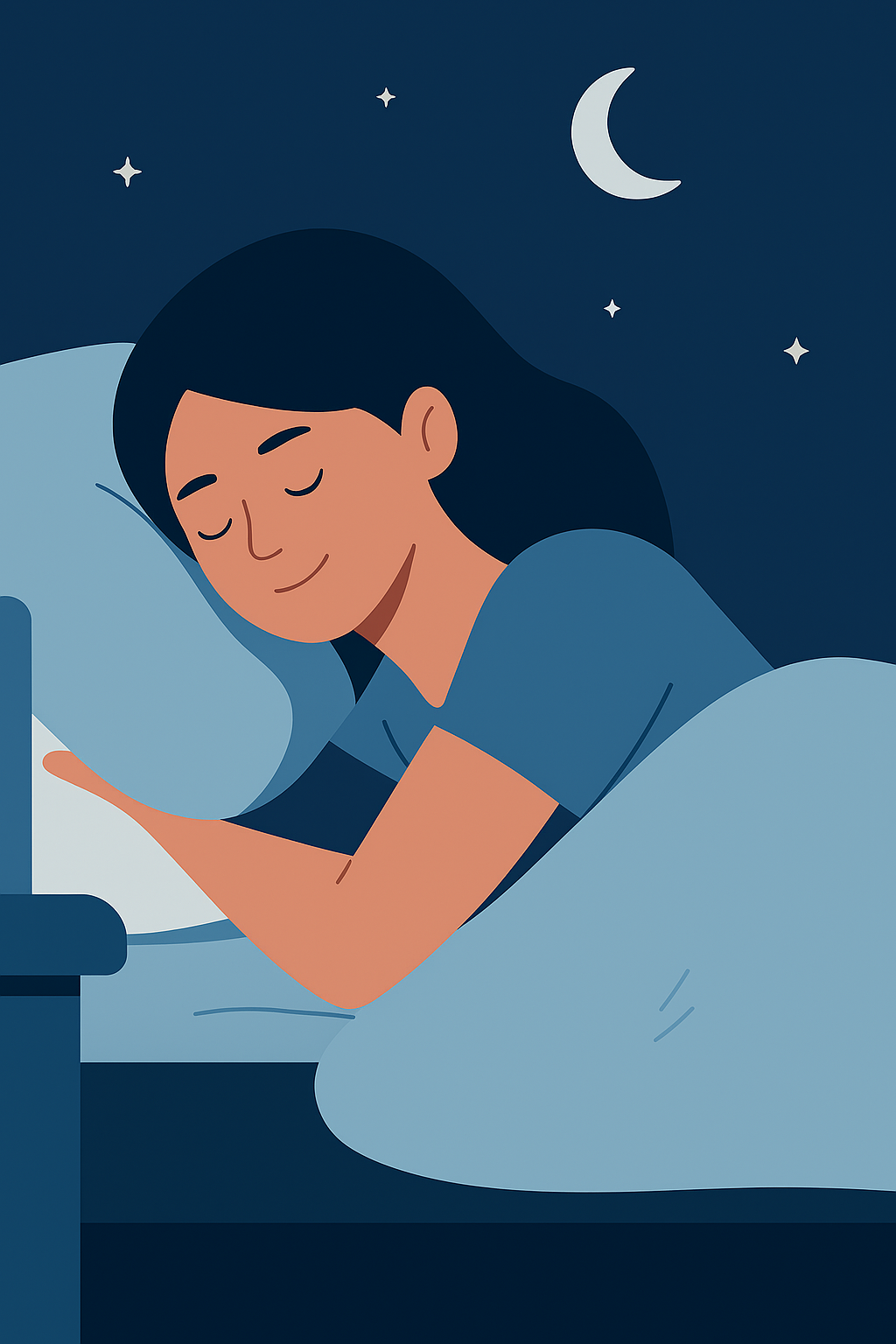
In many areas of life, the more effort you put in, the better the result. Getting to sleep is just the opposite–working hard to get to sleep, and getting frustrated in the process–can mean a sleepless night. Getting good sleep means setting the right conditions, and allowing sleep to overtake you.
One powerful shift is teaching your body that your bed is a place for rest—not for worry. Get in bed about the time you usually fall asleep. If sleep doesn’t come within 15–30 minutes, try stepping out of bed for a quiet activity in dim light. Over time, this retrains your body to associate bed with sleep. Once you are falling asleep easier, you can gradually adjust your bed time–and sleep time–earlier.
1. Maintain a regular bed and wake time schedule including weekends. Our sleep-wake cycle is regulated by a “circadian clock” in our brain and the body’s need to balance both sleep time and wake time. A regular waking time in the morning strengthens the circadian function and can help with sleep onset at night. That is also why it is important to keep a regular bedtime and wake-time, even on the weekends when there is the temptation to sleep-in.
2. Establish a regular, relaxing bedtime routine such as soaking in a hot bath or hot tub and then reading a book or listening to soothing music. A relaxing, routine activity right before bedtime conducted away from bright lights helps separate your sleep time from activities that can cause excitement, stress or anxiety which can make it more difficult to fall asleep, get sound and deep sleep or remain asleep. Avoid arousing activities before bedtime like working, paying bills, engaging in competitive games or family problem-solving. Some studies suggest that soaking in hot water (such as a hot tub or bath) before retiring to bed can ease the transition into deeper sleep, but it should be done early enough that you are no longer sweating or over-heated. If you are unable to avoid tension and stress, it may be helpful to learn relaxation therapy from a trained professional. Finally, avoid exposure to bright light before bedtime because it signals the neurons that help control the sleep-wake cycle that it is time to awaken, not to sleep.
3. Create a sleep-conducive environment that is dark, quiet, comfortable and cool. Design your sleep environment to establish the conditions you need for sleep – cool, quiet, dark, comfortable and free of interruptions. Also make your bedroom reflective of the value you place on sleep. Check your room for noise or other distractions, including a bed partner’s sleep disruptions such as snoring, light, and a dry or hot environment. Consider using blackout curtains, eye shades, ear plugs, “white noise,” humidifiers, fans and other devices
4. Sleep on a comfortable mattress and pillows. Make sure your mattress is comfortable and supportive. The one you have been using for years may have exceeded its life expectancy – about 9 or 10 years for most good quality mattresses. Have comfortable pillows and make the room attractive and inviting for sleep but also free of allergens that might affect you and objects that might cause you to slip or fall if you have to get up during the night.
5. Use your bedroom only for sleep and sex. It is best to take work materials, computers and televisions out of the sleeping environment. Use your bed only for sleep and sex to strengthen the association between bed and sleep. If you associate a particular activity or item with anxiety about sleeping, omit it from your bedtime routine. For example, if looking at a bedroom clock makes you anxious about how much time you have before you must get up, move the clock out of sight.
6. Finish eating at a few hours before your regular bedtime. Eating or drinking too much may make you less comfortable when settling down for bed. It is best to avoid a heavy meal too close to bedtime. Also, spicy foods may cause heartburn, which leads to difficulty falling asleep and discomfort during the night. Try to restrict fluids close to bedtime to prevent nighttime awakenings to go to the bathroom, though some people find milk or herbal, non-caffeinated teas to be soothing and a helpful part of a bedtime routine. You can also try using a wedge pillow or slightly elevating the head of the bed to help with reflux symptoms. Special note: of all the non-caffeinated teas to try, mint tea would be one to avoid for people who have reflux. Mint can relax the lower esophageal sphincter making reflux more likely.
7. Exercise regularly but not vigorously right before bedtime. In general, exercising regularly makes it easier to fall asleep and contributes to sounder sleep. However, exercising vigorously right before going to bed will make falling asleep more difficult. In addition to making us more alert, our body temperature rises during exercise, and takes as much as 6 hours to begin to drop. A cooler body temperature is associated with sleep onset… Finish your exercise ideally at least 3 hours before bedtime. Late afternoon exercise is the perfect way to help you fall asleep at night. Gentle stretching before bed could be soothing though!
8. Avoid caffeine (e.g. coffee, tea, soft drinks, chocolate) close to bedtime. It can keep you awake. Caffeine is a stimulant, which means it can produce an alerting effect. Caffeine products, such as coffee, tea, colas and chocolate, remain in the body on average from 3 to 5 hours, but they can affect some people up to 12 hours later. Even if you do not think caffeine affects you, it may be disrupting and changing the quality of your sleep. Avoiding caffeine within 6-8 hours of going to bed can help improve sleep quality. Like mint, chocolate can also make reflux worse by relaxing the lower esophageal sphincter.
9. Avoid nicotine (e.g. cigarettes, tobacco products). Used close to bedtime, it can lead to poor sleep. Nicotine is also a stimulant. Smoking before bed makes it more difficult to fall asleep. Cravings for nicotine can make it hard too of course, but If you are using a nicotine patch to help quit smoking, you still may sleep better removing the patch before bedtime. Working on cutting down even if you aren’t ready to quit can help. When people who use nicotine go to sleep, they experience withdrawal symptoms from nicotine, which also cause sleep problems. Nicotine may also cause nightmares.
10. Avoid alcohol close to bedtime. Although many people think of alcohol as a sedative, metabolizing the alcohol overnight can disrupt sleep, causing nighttime awakenings. Consuming alcohol ultimately leads to a night of less restful sleep.
11. Avoid bright light exposure (including bright overhead lights, TV, computer, smart phone, and ipads and tablets) within one hour of bedtime. Getting direct light exposure right before bedtime will prevent your brain from making melatonin, your brain’s natural sleep chemical. If you wake up in the middle of the night, avoid bright light exposure. If you feel tired in the morning or afternoon, get bright light exposure. Bright light exposure first thing in the morning, in particular, can keep your circadian rhythms in tune (try this for jet lag as well!) The best is daylight, even if it is cloudy out. This will decrease your melatonin and help you wake up.
With the love and help of family, friends and colleagues over the past year I have taken Noble Journey Primary Care from a vision to reality. I am so excited to bring skilled, compassionate family medicine to the Fisher’s Landing neighborhood in Vancouver, Washington.
Gratitude to Dr. Suzie Bergman, an extraordinary human being, Dentist, and TMJ specialist who reached out to me in April 2024 to discuss her vision of a clinic that takes multi-disciplinary to a whole new level: not just multi-specialty but multi-professional to create a model that serves the whole person. Her TED talk is inspiring. Suzie provided the spark that first brought Noble Journey Primary Care to life. Corinne Jarvis, CEO of Breatheworks and noted Speech and Language Pathologist shares our vision.
I am excited to find new ways to collaborate and create across disciplines and professions to better serve my patients.
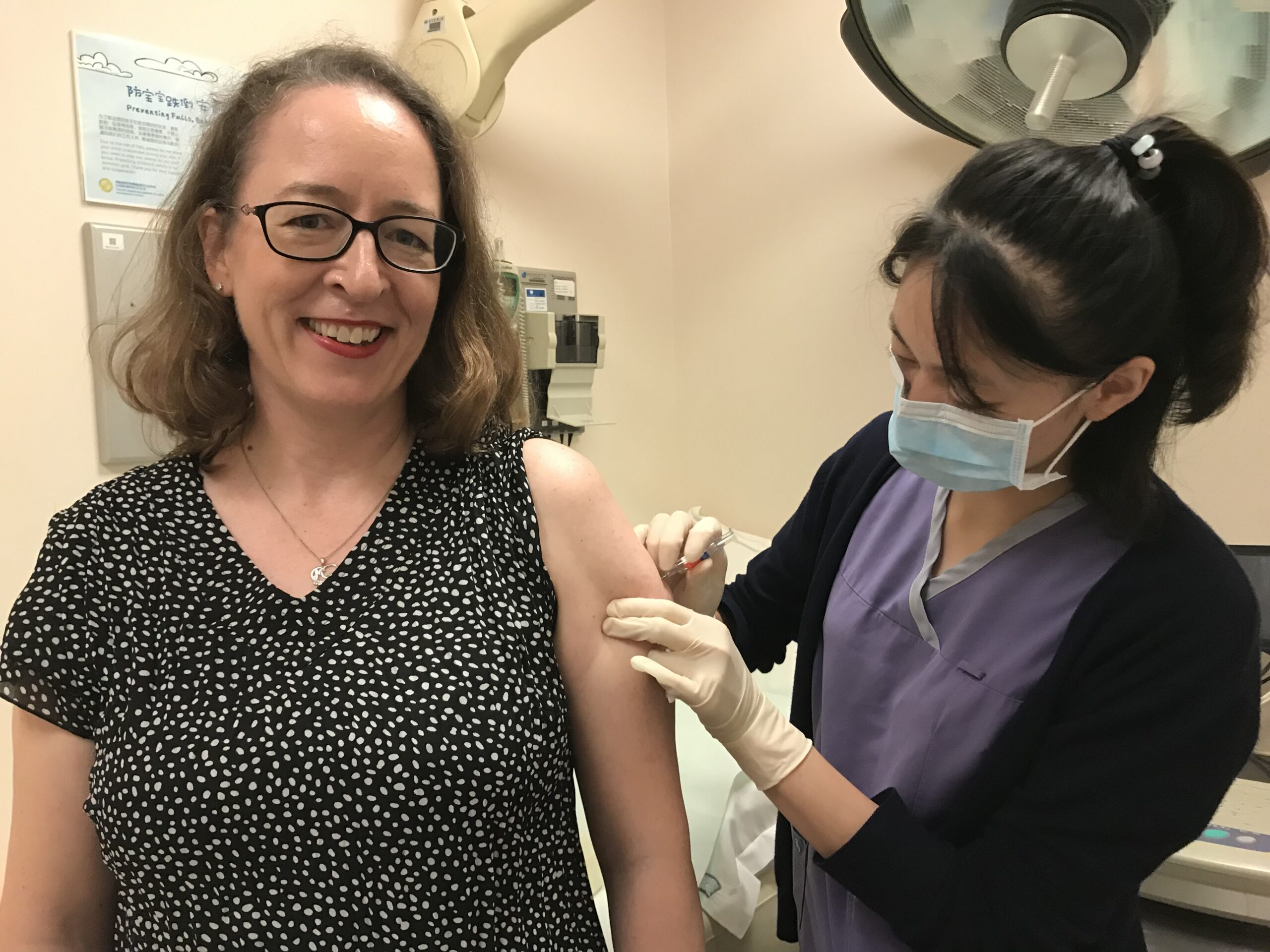
Influenza rates are high right now, hopefully at the peak. Flu season can go to May, so there is still a benefit to rolling up your sleeve to get one.
It helps to understand that flu shots frequently don’t prevent infection, but they prevent serious illness and death. They also make everyone’s flu a little bit less severe. For example, people who would have gone to the ICU are are treated without intensive care. People who would have been admitted to the hospital are able to go home from the emergency room. And many people who are vaccinated and get the flu are spared a trip to the Emergency Department.
For people who don’t get very sick from the flu, getting vaccinated can prevent you from giving it to someone who does.
A lot of people get sick after getting a flu shot–it might be a common cold since they are frequent this time of year, or it might have been a more severe infection.
My patients and parents worry about whether vaccinations can weaken your immune system. Did you know it would take 10,000 vaccinations at the same time to temporarily use up your ability to fight off a virus? The flu however can set you up for getting pneumonia and ear infections.
Influenza vaccine very rarely can have serious side effects, such as Guillain Barre syndrome, which occurs in one or two people per million vaccinated. This is far lower than the risk with influenza infection.
Vaccine induced immunity can be as strong as immunity produced by infection, and is certainly a lot more pleasant to acquire.
This is why I love getting and giving flu shots. I also know my patients have may different bodies and histories, and it’s important to be able to discuss your concerns with a doctor who listens.